Carbohydrate Sources
Whole grains, legumes, fruits, and starchy vegetables as energy-providing components in balanced plates.
Our sessions cover practical food topics from a lifestyle perspective. Each area provides general information you may consider and adapt. This is not medical nutrition therapy and does not include outcome promises.
Macronutrients — carbohydrates, proteins, and fats — form the structural basis of most meals. In our sessions, we discuss how these components typically appear in home cooking and how varying proportions may suit different activity levels and preferences.
This is general educational content from publicly available food and cooking references. We do not calculate individualized macro targets or provide guidance for medical dietary needs.
Whole grains, legumes, fruits, and starchy vegetables as energy-providing components in balanced plates.
Animal and plant-based options explored for menu diversity and personal preference alignment.
Olive oil, nuts, seeds, and avocados as flavor and satiety contributors in everyday cooking.
Visual frameworks for arranging components without rigid portion prescriptions.
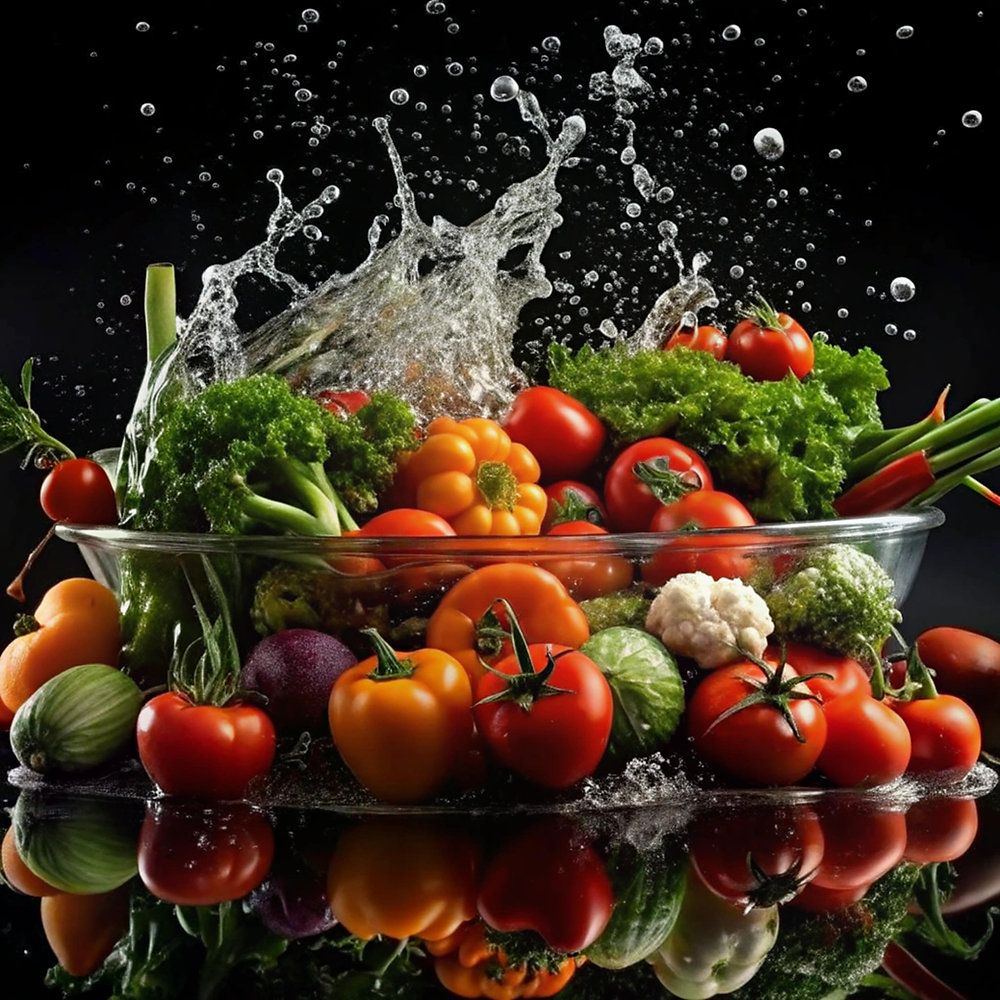
Seasonal produce often offers freshness, variety, and value at local markets. We guide conversations about rotating ingredients throughout the year to maintain interest in home cooking.
Rather than enforcing a single schedule, we examine how your work hours, commute, and social commitments shape when and how you eat. The goal is identifying patterns that feel sustainable.
Sample approaches to breakfast or early meals that accommodate rushed weekdays and relaxed weekends.
Lunch strategies for office workers, remote professionals, and those who prefer packed meals.
Dinner timing, batch cooking connections, and simple preparation methods for end-of-day meals.
General guidance on incorporating snacks between meals when hunger arises, using whole-food options rather than processed alternatives. We discuss awareness of eating triggers without labeling foods as good or bad.
Hydration is part of many daily routines and is often discussed in food education sessions. We share general information about water, herbal teas, and water-rich foods such as cucumbers and melons.
Fluid needs differ by activity, climate, and personal factors. We encourage participants to observe their own patterns and speak with a physician for individualized hydration questions.
Keeping a reusable bottle at your desk, setting gentle reminders, and pairing water intake with existing routines like meals or commute transitions. These are lifestyle suggestions, not clinical recommendations.
Mindful eating involves paying attention to the experience of meals — flavors, textures, and satiety signals. Our sessions introduce general techniques such as eating without screens, chewing thoroughly, and pausing between bites.
These practices are presented as optional lifestyle tools. They are not substitutes for professional counseling related to eating behaviors.
Noticing colors, aromas, and textures before the first bite to enhance meal satisfaction.
Allowing adequate time for meals rather than rushing through food consumption.
Creating a calm dining space that supports focused eating experiences.
Simple self-assessment questions before and during meals to build eating awareness.
A well-planned grocery list reduces impulse purchases and supports varied meals. We share templates and categorization methods that clients can customize.
Check pantry, refrigerator, and freezer before creating a shopping list to avoid duplicate purchases.
Outline three to five meals for the week without requiring detailed recipes for every dish.
Group items by store section — produce, proteins, grains, dairy alternatives — for efficient shopping.
Include a few versatile ingredients that work across multiple planned meals for adaptability.
The following outline is an educational example only. Individual needs and preferences will differ, and this framework should be modified freely.
Cook grains, roast vegetables, and prepare proteins that carry into midweek meals.
Combine pre-prepared components into bowls, wraps, or composed plates with minimal additional cooking.
Allow room for dining out, simpler preparations, or trying new recipes without rigid expectations.
Printable weekly planners with space for breakfast, lunch, dinner, and snack notes.
Month-by-month guide to commonly available produce in the Northeast region.
Categorized shopping lists with blank spaces for personal additions and preferences.
All topics on this page are presented as general food education. They are not intended to prevent, treat, or manage any disease or medical condition. Content may not be suitable for everyone. Seek professional medical guidance when needed.
Contact us to discuss which topics align with your current interests and session preferences.